Sticky residue. Artificial perfumes that clash with your perfume—or worse, trigger migraines. You’re trying to stay clean, not drown in synthetic lavender. And yet, most wipes on shelves are drenched in fragrance masquerading as “freshness.” The solution? Go back to basics—without the noise. Enter unscented hand sanitizer wipes: quiet, effective, and engineered for real life.
The Fragrance Trap in Everyday Wipes
Most brands assume you want your hands to smell like a tropical spa after every wipe. They’re wrong. Fragranced sanitizing wipes often contain phthalates or masking agents that don’t kill germs—they just cover up odors. Worse, they compromise skin barrier integrity. Dermatologists quietly recommend fragrance-free options for sensitive clients but rarely shout it from rooftops. Why? Because scented versions sell faster. Marketing beats microbiology every time.
And here’s the kicker: “unscented” doesn’t always mean odorless. Some sneak in masking fragrances to neutralize alcohol’s sharpness. True unscented hand sanitizer wipes skip all that—no tricks, just ethanol or benzalkonium chloride doing honest work.
How to Choose & Use Unscented Hand Sanitizer Wipes Like a Pro
Not all wipes labeled “unscented” are created equal. Here’s how to separate the clinical-grade from the cleverly marketed:
Check the Active Ingredient First
If it’s below 60% alcohol (ethanol or isopropanol), it won’t reliably kill pathogens. Benzalkonium chloride works at lower concentrations but has narrower efficacy. Prioritize WHO-recommended formulas—especially if you’re using them post-gym, pre-meal, or during flu season.
Avoid Hidden Irritants
Even without fragrance, some wipes load up on parabens, sulfates, or dyes. Flip the pack. Scan the “Inactive Ingredients” list like a forensic chemist. Simpler = safer for frequent use.
Texture Matters More Than You Think
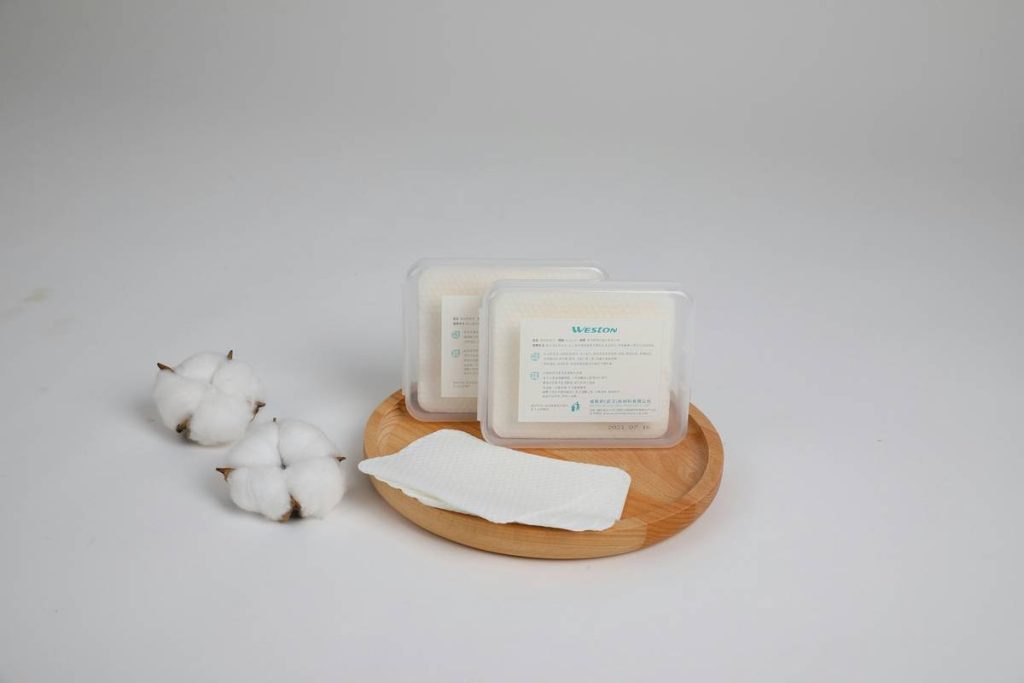
A flimsy wipe tears mid-swipe—leaving half your palm untreated. Look for non-woven spunlace material: thick enough to handle grime, soft enough for delicate skin. Bonus if it’s biodegradable. Sustainability isn’t optional anymore.
| Feature | Premium Unscented Wipes | Budget Scented Wipes | DIY Alcohol Spray + Cloth |
|---|---|---|---|
| Alcohol Concentration | 70–75% ethanol | 50–60% (often diluted) | User-controlled (risk of under-dosing) |
| Fragrance/Additives | None | Multiple masking agents + dyes | Depends on user |
| Cost per Use | $0.12–$0.18 | $0.06–$0.10 | $0.03–$0.05 |
| Portability | Sealed individual packs or resealable tubs | Often leak-prone packaging | Poor (spray + cloth = bulky) |
| Skin Tolerance | High (ideal for eczema-prone users) | Low (common irritant source) | Variable (depends on fabric + mix) |
The Industry Secret No One Talks About
Here’s what formulators won’t tell you: many “unscented” body wipes still use denatured alcohol with bitterants like denatonium benzoate—which itself has a faint chemical odor. True medical-grade unscented hand sanitizer wipes use specially purified ethanol, stripped of impurities that cause smell or stinging. Only a handful of manufacturers invest in this step because it costs 22% more per batch. But if you’ve ever winced while wiping your child’s hands—or felt that post-wipe tightness—you’ve experienced the gap between cheap and clean. At accipicchia.com, we audit every supplier’s distillation logs. Not because it’s sexy—but because your skin deserves transparency, not theater.
Frequently Asked Questions
Are unscented hand sanitizer wipes safe for babies?
Yes—if they contain ≥60% alcohol and zero essential oils or fragrances. Always patch-test first and avoid near eyes or mouth.
Do unscented wipes expire faster?
No. Alcohol-based wipes last 2–3 years sealed. The absence of fragrance doesn’t affect shelf life—evaporation does. Keep containers tightly closed.
Can I use them on surfaces too?
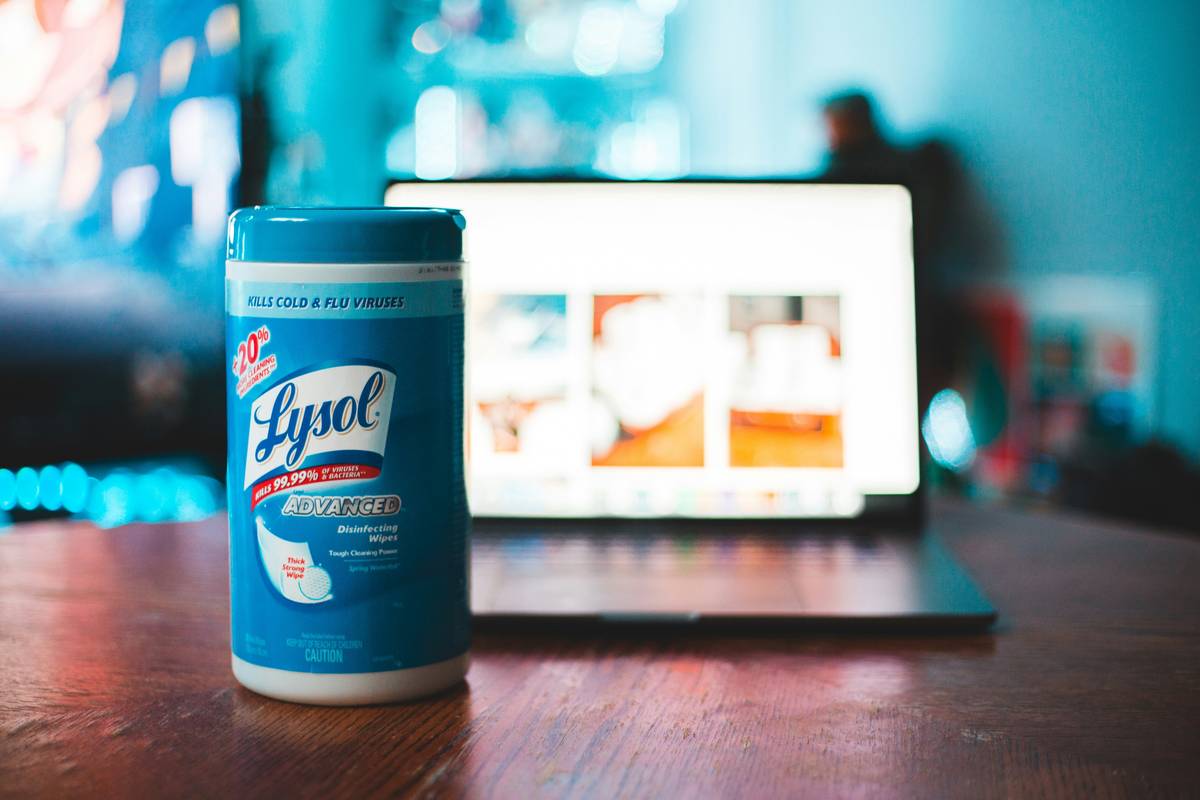
Technically yes, but it’s wasteful. They’re optimized for skin pH and moisture retention—not countertop disinfection. Use surface-specific wipes instead.