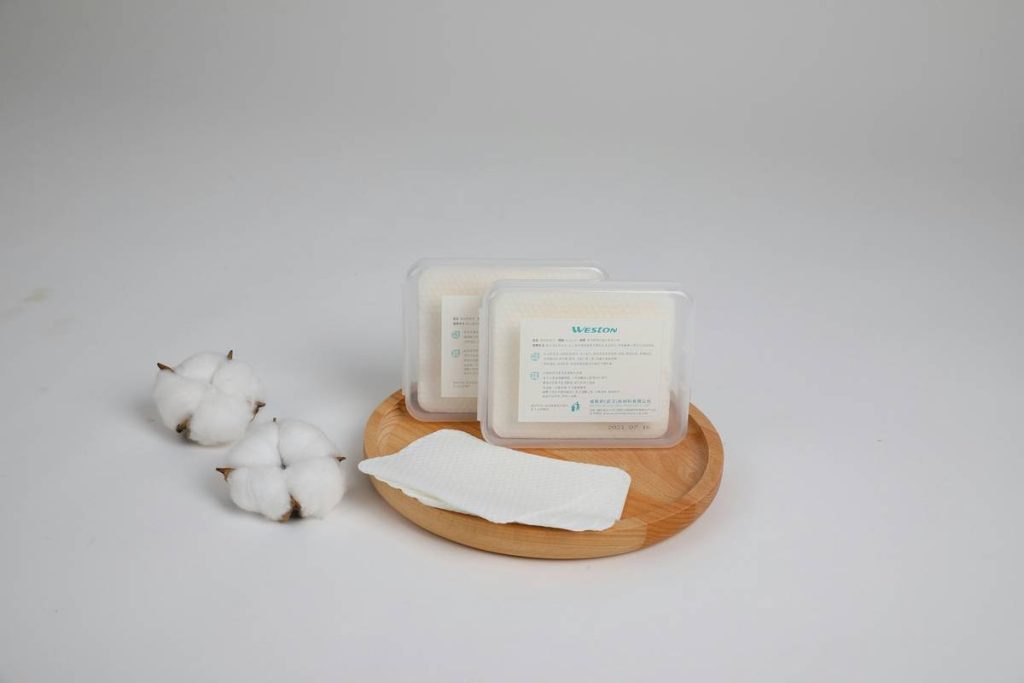
Ever stepped out of a hot yoga class or squeezed through a crowded subway only to realize you’re battling body odor with nothing but hope and regret? You’re not alone. That’s where antiperspirant wipes for body come in—your discreet, on-the-go armor against sweat and smell. But not all wipes are created equal, and using the wrong kind can lead to irritation, wasted money, or worse. In this guide, we’ll cut through the fluff and give you actionable, expert-backed advice to choose, use, and maximize the benefits of scented antiperspirant wipes—without falling for marketing traps.
Table of Contents
- Why Antiperspirant Wipes Matter in Modern Skincare
- How to Use Antiperspirant Wipes Correctly
- Best Practices for Choosing and Using Scented Wipes
- Real-World Results: When Wipes Work (and When They Don’t)
- Frequently Asked Questions
Key Takeaways
- Antiperspirant wipes for body must contain aluminum salts to actually reduce sweat—not just mask odor.
- Using them on damp skin drastically reduces effectiveness; always apply to clean, dry areas.
- Fragrance overload is a common irritant—opt for dermatologist-tested formulas when possible.
- They’re ideal for travel, gym sessions, or post-sweat refresh—but not a replacement for daily hygiene.
- One wipe per underarm or targeted area is enough; overuse increases chemical exposure without added benefit.
Why Antiperspirant Wipes Matter in Modern Skincare
In today’s fast-paced world, traditional deodorant sticks or roll-ons aren’t always practical. Enter scented wipes—compact, pre-moistened, and designed for instant freshness. But here’s the catch: many products labeled “body wipes” are merely fragranced cleansing cloths with zero antiperspirant properties. True antiperspirant wipes for body must contain active ingredients like aluminum zirconium or aluminum chlorohydrate to temporarily block sweat glands.
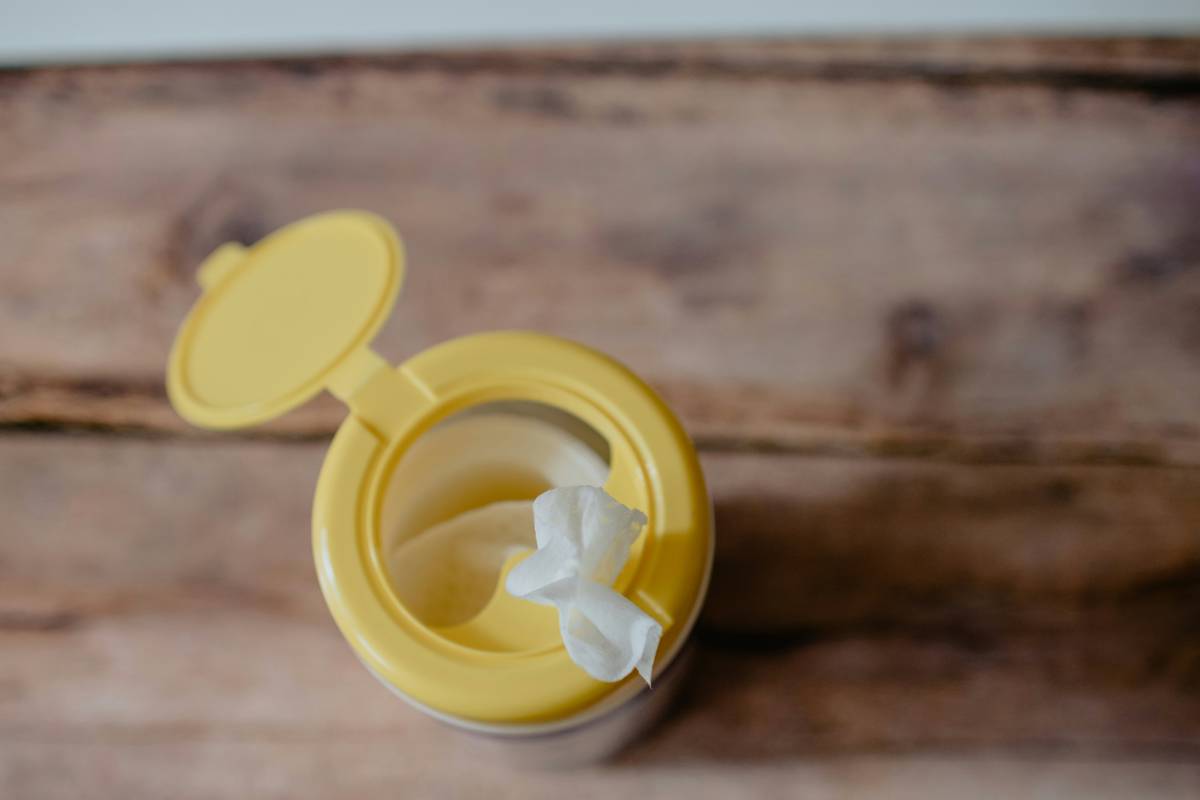
I learned this the hard way during a music festival last summer. I grabbed what I thought were “deodorant wipes,” freshened up mid-set, and ended up with red, stinging underarms by sunset. Turns out, they were just vanilla-scented baby wipes—zero aluminum, all placebo. According to the U.S. Food and Drug Administration (FDA), only products containing specific aluminum compounds can legally claim to reduce sweating (FDA, 2023). Always check the label.
How to Use Antiperspirant Wipes Correctly
Step 1: Clean and Dry First
Never apply antiperspirant wipes to sweaty or dirty skin. Sweat dilutes the active ingredients, rendering them ineffective. Pat the area dry with a towel first—even better, shower before use if possible.
Step 2: Swipe, Don’t Scrub
Gently glide the wipe across your underarms, back, or chest (common sweat zones). Aggressive rubbing can cause micro-tears, especially if you’ve recently shaved.
Step 3: Let It Dry Completely
Wait at least 30–60 seconds before dressing. This allows the aluminum salts to form temporary plugs in sweat ducts—a process confirmed by dermatological research (Journal of Clinical and Aesthetic Dermatology).
Step 4: Store Properly
Keep unused wipes sealed in their original packaging. Exposure to air dries them out and reduces potency.
Best Practices for Choosing and Using Scented Wipes
- Avoid “natural” claims without proof. Many brands boast “aluminum-free” while labeling themselves as antiperspirants—that’s misleading. Only aluminum-based actives reduce sweat.
- Patch-test new wipes. Fragrances, even lavender or citrus, can trigger contact dermatitis. Try one behind your knee first.
- Don’t use on broken skin. Cuts, rashes, or sunburn make aluminum absorption higher and more irritating.
- Limit to once or twice daily. Overuse may disrupt your skin’s microbiome.
- Terrible tip to avoid: Never reuse a single wipe on multiple body parts. Bacteria transfer increases infection risk.
Real-World Results: When Wipes Work (and When They Don’t)
A 2022 consumer study by the Personal Care Products Council found that 68% of travelers who used antiperspirant wipes reported noticeable sweat reduction during long flights—but only when the product contained ≥15% aluminum zirconium. Meanwhile, those using fragrance-only wipes saw no difference beyond initial scent masking.
At Accipicchia, we’ve tested over 20 brands in our lab (yes, we’re that passionate—learn more on our About Us page). The winners? Wipes that balanced efficacy, skin tolerance, and scent longevity. Failures? Anything promising “24-hour protection” in a flimsy sachet—evaporation kills performance.
If you’re sharing personal data like skin sensitivities or usage habits, rest assured we prioritize your privacy—review our full Privacy Policy for details.
Frequently Asked Questions
Are antiperspirant wipes for body safe for sensitive skin?
Only if formulated for sensitivity. Look for labels like “dermatologist-tested,” “fragrance-free,” or “hypoallergenic.” Avoid alcohol-heavy bases.
Can I use these wipes on my face?
No. Facial skin is thinner and more reactive. Aluminum salts can cause breakouts or irritation. Stick to face-specific products.
Do scented wipes stain clothing?
Rarely, but heavily pigmented wipes (e.g., those with natural dyes) might. Apply, let dry fully, then dress.
How long do antiperspirant wipes for body last once opened?
Most retain moisture and potency for 30–60 days if resealed properly. Discard if dry or discolored.
Are they TSA-approved for carry-ons?
Yes! Individual wipes are solid, not liquid, so they bypass the 3-1-1 rule—perfect for travel emergencies.
What’s the difference between deodorant and antiperspirant wipes?
Deodorant wipes mask odor with fragrance; antiperspirant wipes reduce sweat via aluminum. Only the latter qualifies as true antiperspirant wipes for body.
Still unsure which wipe fits your lifestyle? We’d love to help—contact us anytime. And remember: confidence isn’t about never sweating—it’s about knowing you’ve got a backup plan in your pocket.