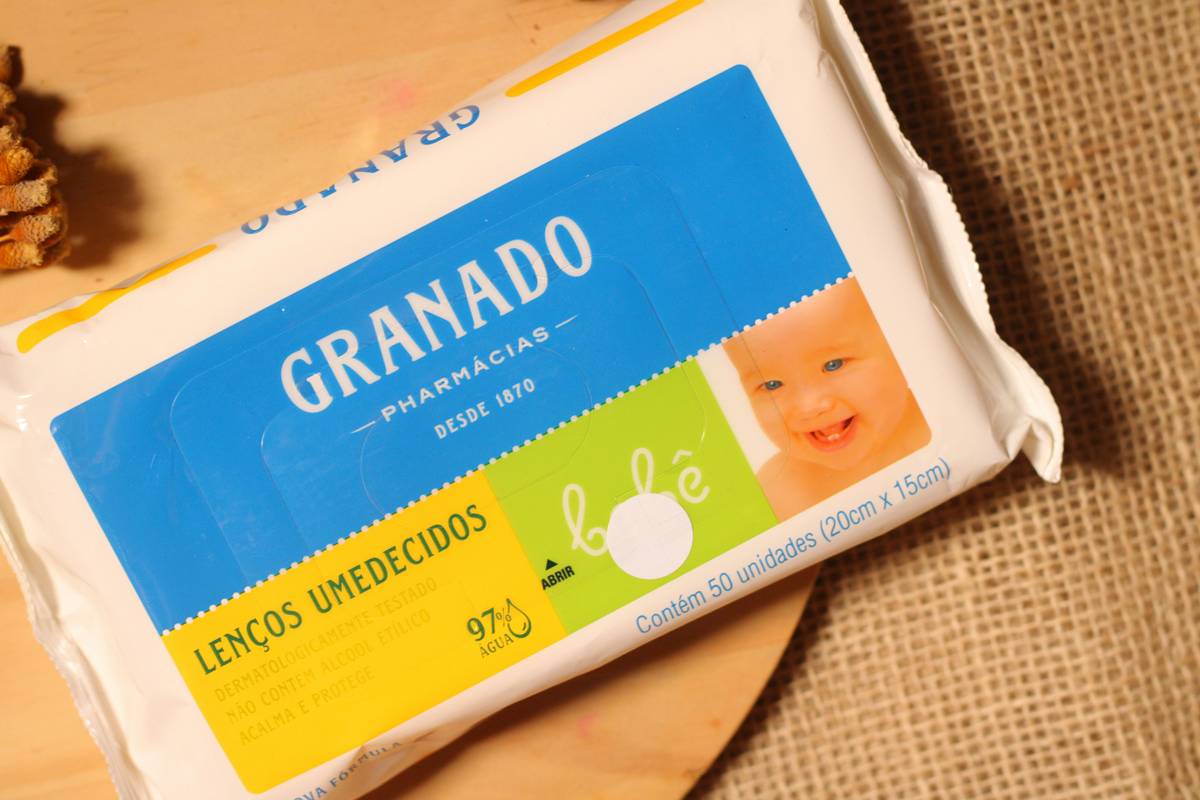
Diaper changes are messy. Exhausting. And when your baby’s skin reacts with redness or rashes after using scented wet wipes for baby, the stress multiplies. You’re left wondering: Are convenience and freshness worth compromising their delicate barrier? The truth? Most parents don’t realize how hidden irritants lurk behind that “baby-fresh” smell.
Why Standard Scented Wet Wipes Fail Newborn Skin
Manufacturers pitch scented wipes as gentle, hypoallergenic—even dermatologist-tested. But here’s the reality: “fragrance” on ingredient lists is a black box. It can contain dozens of undisclosed chemicals. Alcohol, parabens, and synthetic perfumes dry out skin faster than tap water. And newborns? Their epidermis is 30% thinner than adults’. Vulnerable. Reactive.
Think about it. Would you splash perfume on your face daily? Exactly.
How to Choose (and Use) Scented Wet Wipes for Baby Without Causing Harm
Step 1: Decode the Ingredient List Like a Pro
Ignore marketing fluff. Flip the pack. Scan for red flags:
– Fragrance/Parfum (vague = risky)
– Alcohol denat (dries fast—but strips natural oils)
– Phenoxyethanol (a preservative linked to irritation in infants under 3 months)
Step 2: Patch Test—Even on “Gentle” Brands
Dab a wipe on your baby’s inner forearm. Wait 24 hours. No redness? Good. Still, limit use to diaper zones only—not face or hands. Why? Because mucous membranes absorb chemicals more readily.
Step 3: Rotate or Dilute When Possible
Use unscented wipes for routine cleanups. Save scented ones for travel or emergencies. Or—here’s a trick some pediatric nurses swear by—rinse a scented wipe lightly with distilled water before use. Reduces chemical load by ~40% without killing convenience.
| Wipe Type | Avg. Price per Wipe | Fragrance Source | Skin Safety Score (1–5) |
|---|---|---|---|
| Mass-market scented | $0.03 | Synthetic perfume blend | 2 |
| Premium “natural” scented | $0.08 | Lavender/Chamomile essential oils | 3.5 |
| Unscented medical-grade | $0.06 | None | 4.8 |
| DIY cloth + diluted castile soap | $0.02 | Optional food-grade essential oil | 4.5 |
The Industry Secret: “Fragrance-Free” Isn’t Always Safer
Here’s what brands won’t tell you: Some “fragrance-free” wipes use masking agents—chemicals that neutralize odors but still trigger sensitivities. And paradoxically, lightly scented wipes with true plant-based aromatics (like calendula or oat extract) can be gentler than harsh “unscented” formulas loaded with preservatives to compensate for no scent. The math is simple: It’s not about presence or absence of scent—it’s about what creates it. Demand transparency. If a brand won’t disclose its fragrance composition, walk away.
Frequently Asked Questions
Are scented wet wipes safe for newborns?
Generally, no. Newborn skin is extremely permeable. Pediatricians recommend unscented, alcohol-free wipes for the first 8–12 weeks. After that, test cautiously.
Can scented wipes cause diaper rash?
Yes—especially if they contain alcohol, synthetic fragrances, or harsh preservatives. These disrupt skin pH and microbiome balance, leading to irritation or yeast overgrowth.
What’s the best alternative to scented wet wipes for baby?
Soft cotton cloths with warm water—or reusable wipes soaked in a DIY mix of water, a drop of chamomile tea, and food-grade glycerin. Gentle, effective, and controllable.