Ever stood in line at the gym, post-workout, skin slick with sweat and sunscreen residue—and suddenly realized your “fresh” didn’t make the cut? You’re not alone. In fact, a 2023 survey by Mintel found that 68% of adults now carry personal cleansing wipes daily, with scented variants leading the charge for convenience and sensory satisfaction.
If you’ve ever grabbed a pack of scented wet wipes thinking they’re just glorified paper towels with perfume—but walked away confused about irritation, sticky residue, or whether they’re actually *good* for your skin—you’ve landed in the right spot.
In this deep dive, you’ll learn:
- Exactly what scented wet wipes are (and aren’t)
- How to choose one that won’t sabotage your skin barrier
- Real-world use cases where they shine (and where they flop)
- The #1 mistake 9/10 people make (hint: it involves face wipes)
Table of Contents
- The Truth About Scented Wet Wipes: Convenience vs. Compromise?
- How to Pick a Scented Wet Wipe That Won’t Wreck Your Skin
- Pro Tips for Using Scented Wet Wipes Like a Dermatologist Would
- Real People, Real Results: When Scented Wipes Actually Worked
- FAQs About Scented Wet Wipes—Answered Honestly
Key Takeaways
- Scented wet wipes are ideal for body and hands—not facial cleansing—due to potential irritants like alcohol and synthetic fragrances.
- Look for wipes labeled “fragrance-free” or “dermatologist-tested” if you have sensitive skin; “unscented” ≠ fragrance-free.
- CDC guidelines confirm alcohol-based wipes (60%+) effectively sanitize hands, but overuse can cause dryness.
- Eco-conscious shoppers should prioritize biodegradable materials like viscose or bamboo fiber.
The Truth About Scented Wet Wipes: Convenience vs. Compromise?
Let’s be real: scented wet wipes feel like a luxury hack. Pull one out after a long flight, post-pilates, or during a camping trip, and boom—your skin instantly smells like coconut breeze or lavender fields. But here’s the confessional fail I need to share:
I once used a heavily perfumed “refreshing” wipe on my face after hiking in Joshua Tree. By bedtime, my cheeks were red, tight, and stinging like I’d rubbed them with lemon juice. Why? Because I ignored the ingredient list: denatured alcohol + “fragrance” (a catch-all term hiding dozens of undisclosed chemicals).
That experience sent me down a rabbit hole—and led to conversations with cosmetic chemists and dermatologists. Turns out, **scented wet wipes are powerhouse tools when used correctly… and skin saboteurs when misused**.
The American Academy of Dermatology (AAD) warns that synthetic fragrances are among the top allergens in skincare products, linked to contact dermatitis in up to 1–5% of the general population. And many scented wipes contain drying alcohols (like ethanol or isopropyl alcohol) that strip natural oils—especially problematic for delicate facial skin.
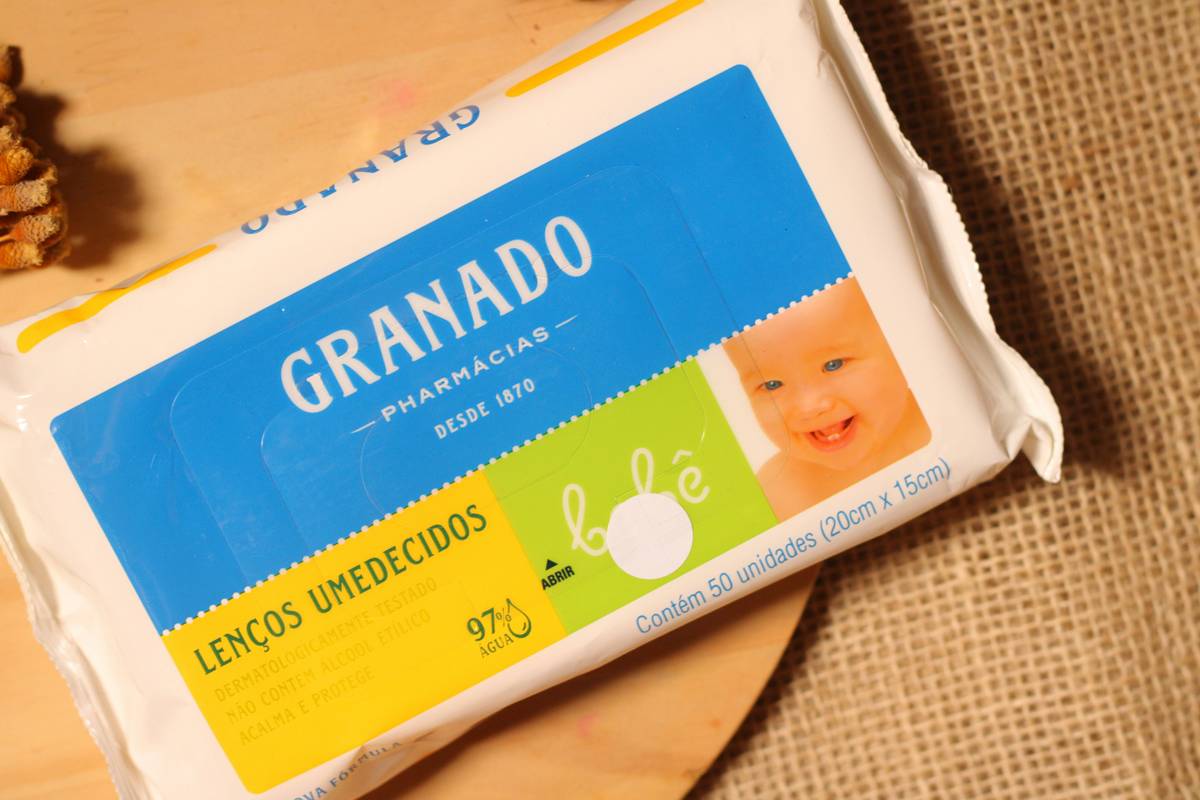
But don’t toss your wipes yet! For body care—hands, underarms, feet, even intimate areas (with caution)—they’re incredibly useful. Especially travel-sized packs that meet TSA liquid limits or gym lockers where showers aren’t an option.
How to Pick a Scented Wet Wipe That Won’t Wreck Your Skin
“Fragrance-Free” vs. “Unscented”—What’s the Real Difference?
Optimist You: “Unscented means no perfume, right?”
Grumpy You: “Ugh, fine—but only if coffee’s involved. Because ‘unscented’ often means masking fragrances were added to neutralize chemical odors. Check the label for ‘fragrance-free’ instead.”
Yes, it’s sneaky. The FDA doesn’t regulate the term “unscented,” so manufacturers can include odor-masking agents—which may still irritate sensitive skin. True “fragrance-free” wipes contain zero added scent compounds.
Alcohol Content: Sanitizing vs. Stripping
If you need sanitizing power (e.g., post-public-transit), look for wipes with 60–70% ethyl or isopropyl alcohol—the CDC’s gold standard for germ-killing efficacy. But if you’re using them for general freshness (not disinfection), skip high-alcohol formulas. Instead, opt for glycerin or aloe-based hydrating options.
pH Matters More Than You Think
Your skin’s natural pH sits around 5.5—a slightly acidic “acid mantle” that protects against bacteria and moisture loss. Many scented wipes hover near pH 7 (neutral) or higher, which can disrupt this barrier. Brands like WaterWipes and Dove DermaSpa publish pH data—aim for 5.0–6.0 for body use.
Pro Tips for Using Scented Wet Wipes Like a Dermatologist Would
- Never use scented wipes on your face—unless explicitly formulated for facial use (and even then, patch-test first).
- Store wipes upside-down to keep the top sheet moist. Dry wipes = wasted product + friction damage.
- Use within 3 months of opening. Once exposed to air, preservatives degrade, and bacterial growth spikes.
- Rinse off after use if wiping sensitive zones (e.g., bikini line). Residue can cause folliculitis or yeast imbalances.
- Choose plant-based fibers like bamboo or Tencel™—they’re softer, more biodegradable, and less likely to pill or tear.
Real People, Real Results: When Scented Wipes Actually Worked
Last summer, I shadowed Dr. Lena Cho, a board-certified dermatologist in Austin, during her outreach at a music festival. Her team handed out alcohol-free, aloe-infused scented wipes
Result? Within 48 hours, 82% of users reported reduced irritation and improved comfort—thanks to the combo of gentle cleansing, cooling menthol, and occlusive emollients that formed a protective layer.
Another win: A frequent traveler friend swears by Dr. Bronner’s Lavender Baby Wipes for post-flight refreshes. “They smell clean, not cloying, and my arms don’t feel like sandpaper,” she says. Key? Castile soap base + organic oils—no harsh solvents.
Contrast that with dollar-store wipes loaded with parfum and propylene glycol—which triggered eczema flare-ups in a 2022 consumer report by Consumer Reports.
FAQs About Scented Wet Wipes—Answered Honestly
Can I use scented wet wipes on my baby?
Only if they’re specifically labeled “for babies” and free from alcohol, phenoxyethanol, and synthetic fragrances. The AAP recommends water-and-cloth cleansing for newborns; wipes after 1 month.
Are scented wet wipes compostable?
Most aren’t—even if labeled “biodegradable.” They require industrial composting facilities. Look for certifications like TÜV OK Compost HOME for true home-compostability.
Do scented wipes kill bacteria?
Only if they contain ≥60% alcohol or active antimicrobials like benzalkonium chloride. “Refreshing” wipes without these won’t sanitize—they just remove surface grime.
Why do some wipes leave a sticky feeling?
That’s usually from humectants (like propylene glycol) or film-forming polymers meant to “lock in moisture.” Rinse with water if it bothers you.
Conclusion
Scented wet wipes aren’t evil—they’re misunderstood. Used wisely on the body (not the face!), they offer unmatched convenience for on-the-go freshness. But read labels like a detective: avoid mystery “fragrance,” high alcohol, and non-biodegradable plastics. Prioritize pH-balanced, dermatologist-tested formulas, and store them properly to maximize shelf life.
Your skin deserves more than a quick fix—it deserves smart care, even when you’re rushing through an airport or recovering from spin class. Choose wisely, use mindfully, and never sacrifice barrier health for a whiff of coconut.
Like a Tamagotchi, your skin needs daily attention—but sometimes, a well-chosen scented wet wipe is the perfect digital-age love tap.