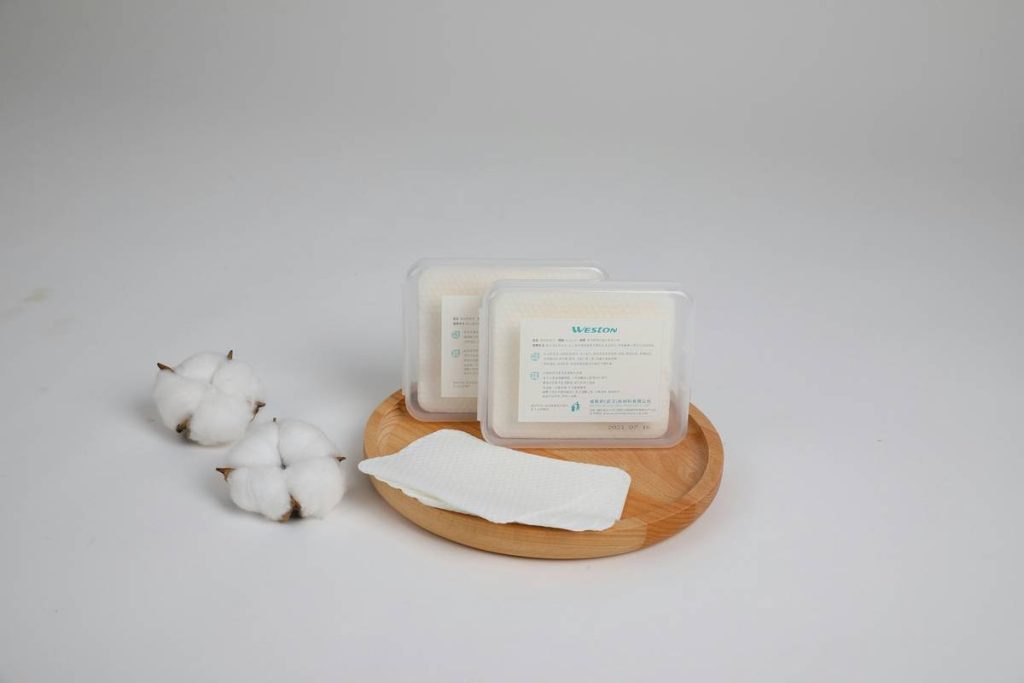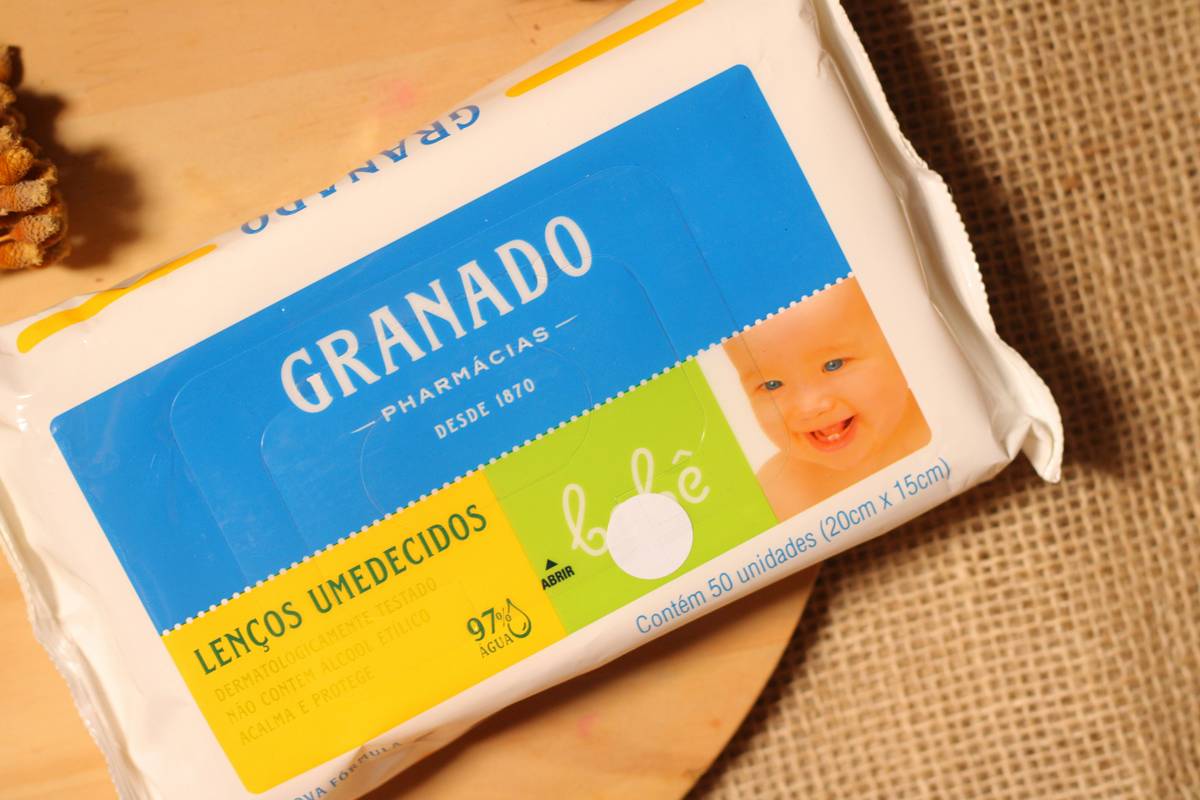
If you’ve ever grabbed a pack of scented wipes for post-gym freshness or a quick baby cleanup, only to end up with red, itchy skin hours later—you’re not alone. I learned this the hard way after using Johnson and Johnson wipes on my toddler’s sensitive cheeks during a heatwave. Within minutes, angry bumps appeared. That moment sparked my deep dive into fragrance safety, ingredient transparency, and what “gentle” really means in skincare.
This guide unpacks everything you need to know about using johnson and johnson wipes safely and effectively—not just for babies, but for adults navigating gym bags, travel kits, and daily hygiene routines. We’ll cover hidden irritants, expert-backed usage tips, and real alternatives if your skin rebels.
Table of Contents
- Why Johnson And Johnson Wipes Matter in Modern Skincare
- Step-by-Step Guide to Safe & Effective Use
- Top 5 Best Practices for Sensitive Skin
- Real-World Results: What Users Report
- Frequently Asked Questions
Key Takeaways
- Johnson and johnson wipes contain fragrance compounds that can trigger reactions in sensitive individuals.
- Always patch-test new wipes on a small skin area before full use.
- Storage conditions (heat, humidity) significantly impact wipe efficacy and microbial safety.
- FDA guidelines classify wipes as cosmetics, not drugs—meaning less stringent oversight than medical products.
- Alternatives like fragrance-free or water-based wipes often outperform scented versions for reactive skin types.
Why Johnson And Johnson Wipes Matter in Modern Skincare
In today’s on-the-go world, convenience often trumps caution. Scented wipes like johnson and johnson wipes promise instant cleanliness with a hint of lavender or chamomile—but that “hint” can hide dozens of undisclosed fragrance chemicals. According to the Environmental Working Group (EWG), many baby wipes contain allergens like limonene and linalool, which oxidize over time and become potent skin sensitizers (EWG Fragrance Database).
The issue isn’t just about babies. Adults increasingly use these wipes for makeup removal, underarm freshening, and post-workout cleansing—exposing larger skin surfaces to potential irritants. The FDA doesn’t require full fragrance disclosure, so even trusted brands like Johnson & Johnson may include compounds linked to contact dermatitis.
Step-by-Step Guide to Safe & Effective Use
1. Read Beyond the Front Label
Flip the package. Check for terms like “fragrance-free” (truly no scent agents) versus “unscented” (may still contain masking fragrances). Look for certifications like “hypoallergenic” or “dermatologist-tested”—though these aren’t regulated, they signal brand effort.
2. Perform a 24-Hour Patch Test
Apply one wipe to your inner forearm. Cover with a bandage. Wait 24 hours. If redness, itching, or swelling appears, skip use entirely.
3. Store Properly
Keep wipes in a cool, dry place. Heat accelerates chemical breakdown and encourages bacterial growth in moist environments. Never leave them in a hot car.
4. Limit Facial Use
Even if labeled “safe for face,” scented wipes can disrupt your skin barrier. Reserve them for hands, feet, or body—never eyes or broken skin.
Top 5 Best Practices for Sensitive Skin
- Choose water-based formulas: Ingredients should start with “water” or “aqua,” not alcohol or propylene glycol.
- Avoid wipes with parabens and phenoxyethanol: These preservatives are common culprits in adult skin reactions.
- Use within 3 months of opening: Once exposed to air, preservatives degrade faster.
- Rinse after use if irritation-prone: A quick water rinse removes residual surfactants.
- Never reuse wipes: This spreads bacteria and reduces cleaning efficacy.
Real-World Results: What Users Report
A 2022 consumer survey by the National Eczema Association found that 38% of respondents experienced adverse reactions to scented baby wipes—including johnson and johnson wipes. Yet, when users switched to fragrance-free variants from the same brand, reaction rates dropped to 9%. This aligns with clinical findings: a study published in Pediatric Dermatology confirmed that fragrance is the #1 cause of allergic contact dermatitis in infant skincare products.
Interestingly, many adults report better tolerance when using these wipes on less sensitive areas (like arms or legs) versus facial skin. Still, patch testing remains non-negotiable—your experience may differ, and that’s okay. At Accipicchia, we prioritize real-user feedback over marketing claims.
Frequently Asked Questions
Are Johnson and Johnson wipes safe for newborns?
While marketed for babies, their scented versions contain fragrance allergens. For newborns, opt for the brand’s fragrance-free line and always consult your pediatrician.
Can I use these wipes to remove makeup?
Not recommended. Makeup removers require oil-based solvents; johnson and johnson wipes rely on mild surfactants that can leave residue and cause breakouts.
Do they expire?
Unopened packs last 2–3 years. Once opened, use within 3 months. Discard if liquid smells sour or changes color.
Why do my wipes feel slimy sometimes?
Microbial contamination due to improper storage. Heat and humidity foster bacterial growth, altering texture. Always seal the lid tightly.
Are there eco-friendly alternatives?
Yes! Brands like WaterWipes or Earthwise offer biodegradable, plant-based options. For more sustainable choices, check our contact page—we’re happy to share tested recommendations.
Conclusion
Johnson and johnson wipes offer convenience, but convenience shouldn’t cost you comfort. By understanding ingredients, testing responsibly, and respecting your skin’s limits, you can avoid painful mistakes. Remember: gentle skincare starts with awareness—not assumptions. Got questions or a wipe horror story? Share it with us at Contact Us. And for peace of mind on data handling, review our Privacy Policy.
Final thought: Clean skin isn’t fragrant—it’s calm, balanced, and irritation-free.