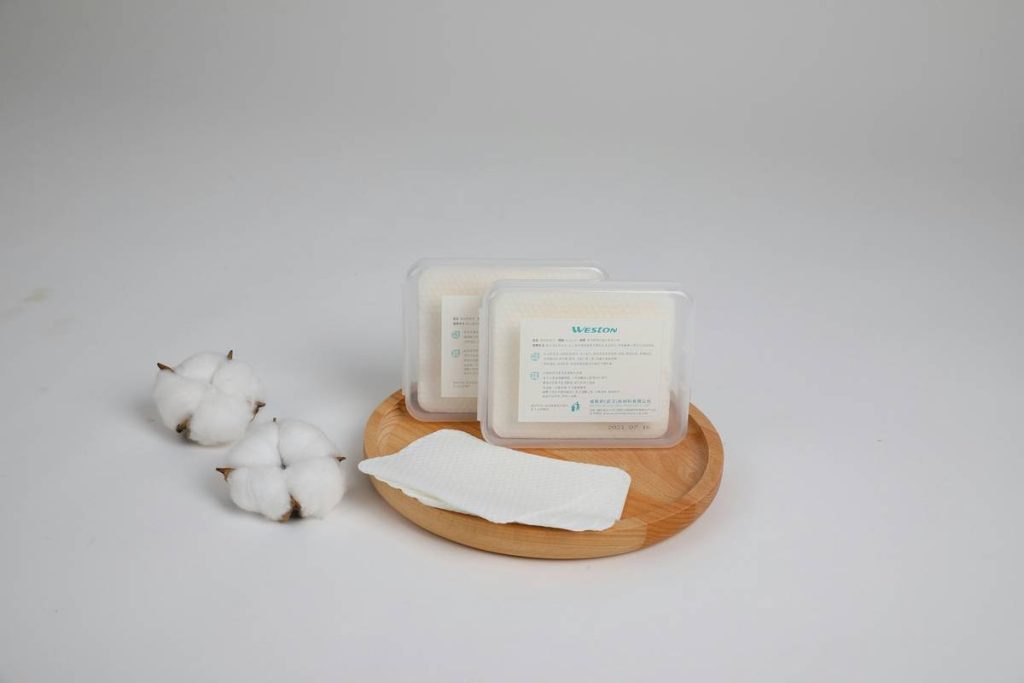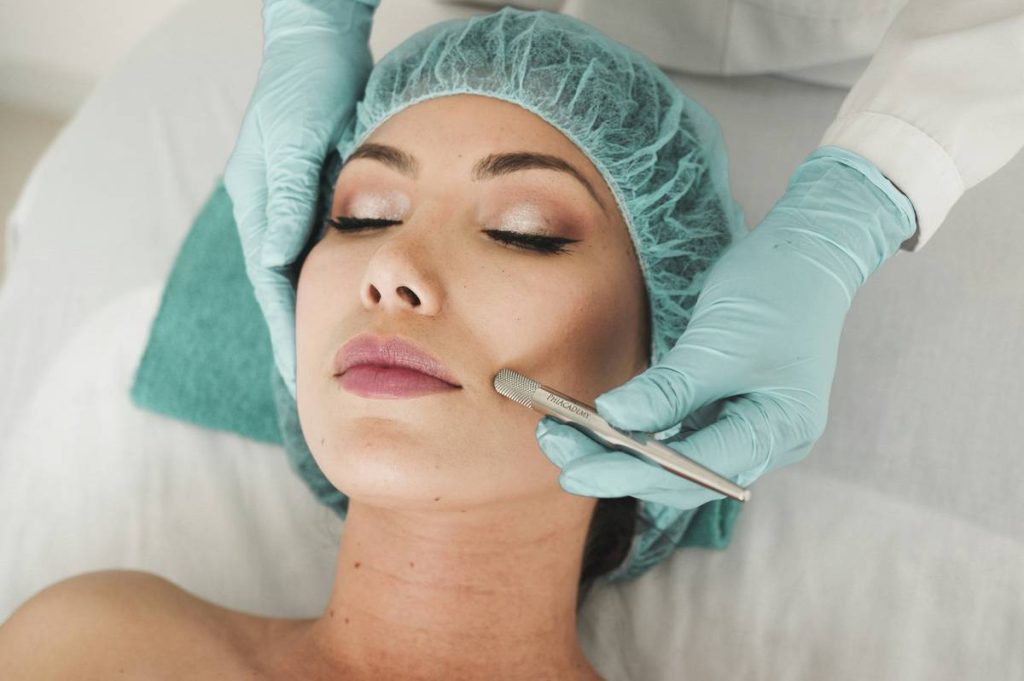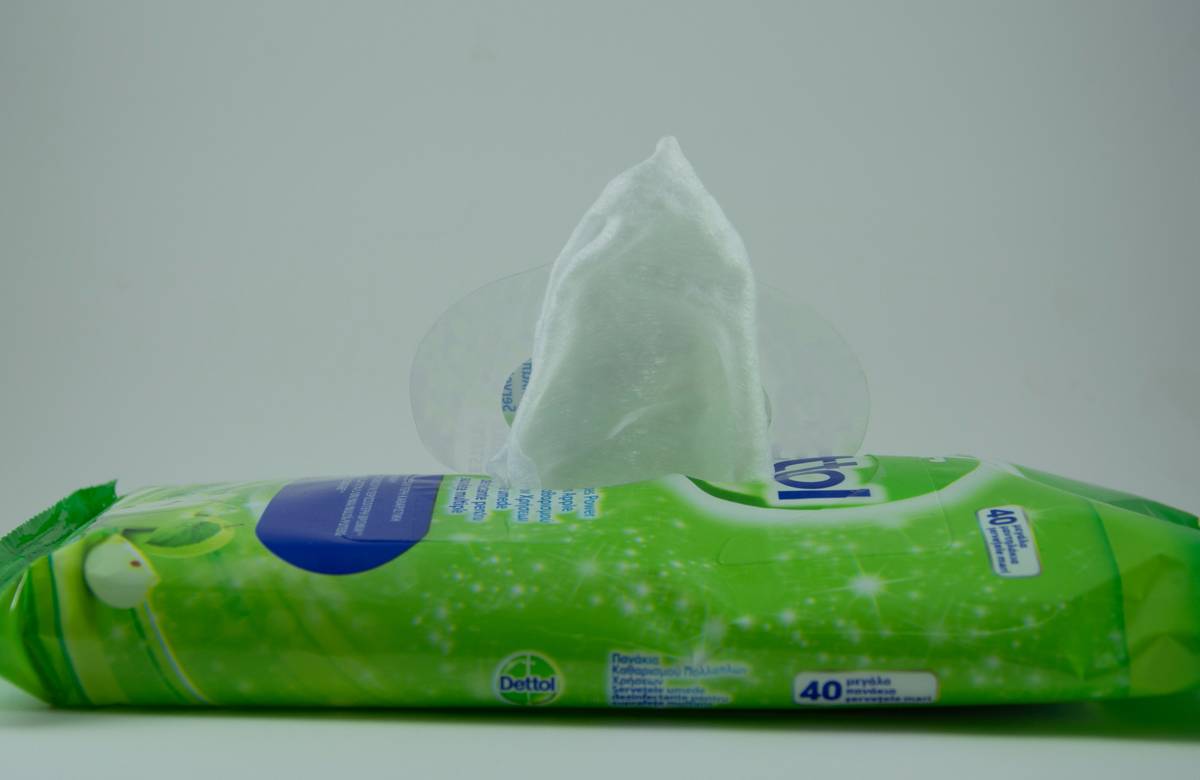
You swipe. You toss. You assume it’s clean. But here’s the problem: Johnson and Johnson make up wipes—and most scented wipes like them—leave behind more than just makeup. They deposit fragrance residues, surfactants, and alcohol that sabotage your skin barrier overnight. And if you’re using them daily? That “quick cleanse” might be why your skin flares up by Friday.
Why Traditional Makeup Wipes Fail Your Skin
Convenience sells. But efficacy? Not so much. Most scented wipes—including popular drugstore staples—are engineered for shelf appeal, not dermal health.
They rely on high concentrations of solubilizers like PEGs and denatured alcohol to dissolve mascara and foundation fast. Great for performance. Terrible for pH balance. And that floral or “fresh linen” scent? It’s masking a cocktail of allergens linked to contact dermatitis.
Think about it: Would you wash your face with hand sanitizer? No. Yet many wipes function almost identically—just with a rosewater sticker slapped on.
How to Use (or Replace) Johnson and Johnson Make Up Wipes Responsibly
Step 1: Audit Your Current Routine
Check the ingredient list. If “fragrance,” “parfum,” or “alcohol denat” appears in the top five, treat the wipe as emergency-only—not nightly hygiene.
Step 2: Layer, Don’t Rely
Use the wipe for initial makeup breakdown, then follow with a water-based cleanser. This double-cleanse mimics professional protocols without stripping lipids entirely.
Step 3: Patch Test Like a Pro
Dab the wipe behind your ear for three nights. Redness or tightness? Discontinue. Your skin’s speaking—listen.
| Method | Cost per Use | Skin Compatibility | Residue Risk |
|---|---|---|---|
| Johnson and Johnson make up wipes (standalone) | $0.18 | Moderate to low (for sensitive skin) | High |
| Micellar water + cotton pad | $0.12 | High | Low |
| Balm cleanser + warm cloth | $0.25 | Very high | Negligible |
| Wipe + gentle foaming cleanser (double cleanse) | $0.22 | High (when done correctly) | Medium |
The Industry Secret No Brand Wants You to Know
Here’s what formulation chemists won’t advertise: Most scented wipes aren’t designed to rinse off. They’re meant to leave a thin film—a “sensory cue” that tricks your brain into feeling “clean.” That slight tackiness after wiping? It’s intentional. It signals lingering fragrance and emollients meant to mimic hydration. But on compromised or acne-prone skin, that film becomes a breeding ground for irritation.
And yet—brands keep selling them because returns are rare. Why? Consumers blame their skin, not the product. The math is simple: $0.18 feels cheap until you’re spending $45 on a recovery serum.
Frequently Asked Questions
Are Johnson and Johnson make up wipes safe for sensitive skin?
Not ideal. They contain fragrance and mild surfactants that can trigger redness or dryness. Patch test first—and always follow with a rinse-off cleanser.
Can you use these wipes around the eyes?
Sparingly. While marketed as ophthalmologist-tested, the alcohol content may sting if you wear contacts or have lash extensions. Use a dedicated eye makeup remover instead.
Do Johnson and Johnson make up wipes expire?
Yes. Once opened, moisture evaporates and preservatives degrade. Toss any pack older than 6 months—dry or discolored wipes indicate bacterial risk.