You grab a Swiffer wipe, glide it over your countertop, and walk away feeling like you’ve sanitized the surface. But here’s the catch—your nose smells clean, yet dangerous germs might still be partying on that counter. This illusion of cleanliness is everywhere in body care and home hygiene. Let’s fix that. The answer to “do swiffer wipes disinfect” isn’t just no—it’s dangerously misleading.
Why Most Scented Wipes Fail at Real Disinfection
Swiffer wipes—especially the popular scented varieties—are engineered for dust pickup and light grime removal, not microbial warfare. Their formula prioritizes fragrance oils, surfactants, and soft fibers that trap particles. Not kill pathogens.
And that fresh linen or citrus burst you love? It’s purely olfactory theater. The EPA doesn’t classify standard Swiffer WetJet or Dry Sweeping cloths as registered disinfectants. Without an EPA establishment number and an active antimicrobial agent (like quaternary ammonium compounds or bleach), they’re hygiene props—not protection.
Do Swiffer Wipes Disinfect? A Step-by-Step Reality Check
Step 1: Read the Label Like a Pro
Flip the package. If it lacks phrases like “kills 99.9% of bacteria” or “EPA-registered disinfectant,” stop right there. Swiffer’s classic scented wipes won’t have them. Only their Swiffer Disinfecting Wet Cloths (a separate product line) carry disinfection claims.
Step 2: Dwell Time Matters More Than You Think
Even true disinfectants require “dwell time”—the minutes a surface must stay visibly wet to kill microbes. Swiffer’s regular wipes dry in seconds. Pathogens laugh.
Step 3: Cross-Contamination Is Built In
One wipe across kitchen counter, then bathroom sink? You’ve just ferried E. coli straight to your toothbrush holder. Disposable doesn’t mean single-surface-safe unless designed for it.
| Product Type | EPA-Registered Disinfectant? | Fragrance Level | Best For |
|---|---|---|---|
| Standard Swiffer Scented Wipes | No | High | Dust, light debris, quick freshening |
| Swiffer Disinfecting Wet Cloths | Yes | Moderate | Killing bacteria/viruses on hard surfaces |
| Alcohol-Based Sanitizing Wipes | Sometimes | Low to None | Electronics, high-touch zones, medical settings |
The Industry Secret: Fragrance Masks Failure
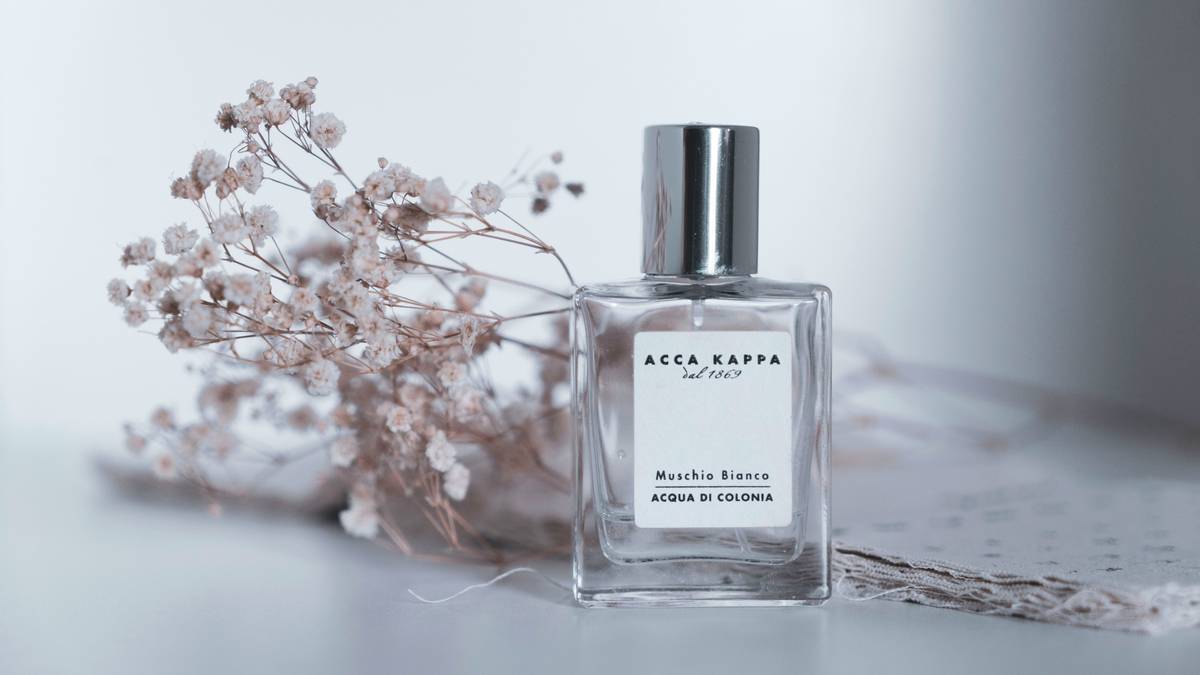
Here’s what big brands won’t tell you: scent is used to create a psychological cue of cleanliness—regardless of actual sanitation. In blind tests, consumers consistently rate fragranced wipes as “more effective” even when lab results show zero microbial reduction. It’s behavioral design disguised as hygiene.
Think about it. If a wipe smelled like vinegar or hospital-grade bleach, would you reach for it daily? Of course not. So companies engineer aromas that mimic “clean” while sidestepping real disinfection costs and regulatory hurdles. The math is simple: perfume is cheaper than pathogen-killing chemistry.
Frequently Asked Questions
Are all Swiffer wipes disinfecting?
No. Only the specific “Swiffer Disinfecting Wet Cloths” are EPA-registered. Regular scented Swiffer wipes do not disinfect.
Can I use scented wipes on my skin or body?
Absolutely not. These are for hard surfaces only. Skin contact may cause irritation due to surfactants and fragrance allergens.
What should I use if I need real disinfection?
Choose EPA-registered wipes with active ingredients like benzalkonium chloride or alcohol (70%+). Verify the label—don’t trust the scent.