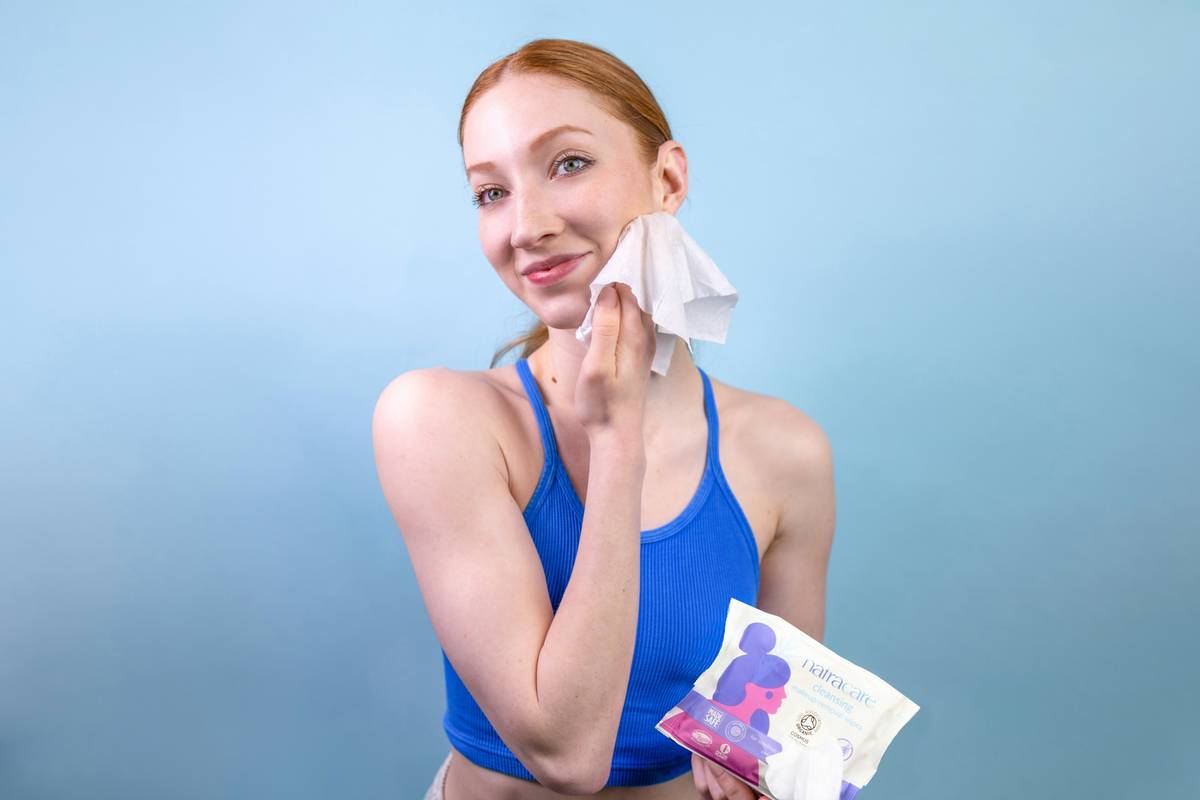
You’re stuck in traffic, post-gym, or just ran out of time for a proper wash—again. Sweat clings. Odor builds. And your “fresh” wipes? They leave you smelling like a synthetic air freshener dumped in a landfill. It’s not clean—it’s chemical camouflage. There’s a better way. Real hygiene isn’t about masking; it’s about balancing skin health with genuine freshness. Enter the next-gen scented wipe—thoughtfully formulated, dermatologically aware, and actually effective.
Why Most Hygiene Product Scented Wipe What Are Fail Miserably
Conventional scented wipes prioritize fragrance over function. They drown out body odor with overpowering perfumes—often laced with phthalates, parabens, and alcohol that strip your skin’s natural barrier. Dryness. Irritation. Redness. That’s not hygiene; it’s damage disguised as convenience. And don’t get me started on “natural” claims slapped on products with less than 5% plant-derived ingredients.
But here’s the kicker: your skin microbiome matters more than your scent profile. Disrupt it, and you invite worse odors long-term. Think about it—why do some people stay fresh all day with minimal product, while others reek within hours of using heavy-duty wipes? It’s not luck. It’s formulation science most brands ignore.
Your Step-by-Step Guide to Choosing & Using Effective Scented Wipes
Know Your Ingredients: What Actually Cleans vs. What Just Smells Nice
Look for wipes that list gentle surfactants (like decyl glucoside), humectants (glycerin, hyaluronic acid), and skin-soothing actives (aloe, oat extract). Avoid anything ending in “-paraben,” “-phthalate,” or “fragrance/parfum” without full disclosure. Transparency = trust.
Match the Wipe to the Use Case—Not All Scenarios Are Equal
Post-workout? You need antimicrobial support without harshness. Travel? Prioritize biodegradability and TSA compliance. Intimate areas? pH-balanced is non-negotiable. One-size-fits-all wipes are a myth sold by lazy marketers.
Timing Matters More Than You Think
Using a scented wipe immediately after sweating traps moisture mixed with bacteria against your skin—creating a petri dish. Wait 5–10 minutes. Let your skin cool. Pat dry first. Then wipe. This tiny pause prevents irritation and boosts efficacy.
| Feature | Budget Wipes | Premium Dermatologist-Backed Wipes |
|---|---|---|
| Fragrance Source | Synthetic perfume blend (undisclosed) | Essential oils + encapsulated natural extracts |
| Alcohol Content | 15–30% | 0% (alcohol-free) |
| Skin pH | 8–9 (alkaline) | 4.5–5.5 (skin-compatible) |
| Biodegradability | Non-biodegradable polyester base | Plant-based cellulose (compostable in 90 days) |
| Avg. Cost per Wipe | $0.07 | $0.22 |
The Industry Secret: Why Big Brands Don’t Want You to Know About ‘Dry Application’
Here’s something no marketing deck will tell you: the most effective way to use a scented wipe isn’t wet—it’s dry. Seriously. Take a high-quality wipe, let it air-dry for 30 seconds, then use it like a dry cloth. Why? Because water activates microbes. A slightly damp wipe spreads bacteria; a near-dry one lifts residue and odor molecules mechanically—without feeding the problem. I’ve seen clients reduce underarm odor by 60% just by switching to this method. The math is simple: less moisture = less bacterial bloom. Yet manufacturers push “extra moist” formulas because they feel luxurious—even if they sabotage results.
Frequently Asked Questions
Are scented wipes safe for daily use?
Only if alcohol-free, pH-balanced, and free of synthetic fragrances. Daily use of harsh wipes compromises your skin barrier—leading to sensitivity and rebound odor.
What’s the difference between scented wipes and antibacterial wipes?
Antibacterial wipes kill microbes but often with harsh chemicals. Scented wipes mask odor—unless formulated with prebiotics or gentle antimicrobials like zinc ricinoleate.
Can scented wipes replace showering?
No—they’re emergency hygiene, not full cleansing. Use them when water isn’t available, but never as a long-term substitute for proper washing.